

Total RNA sequencing

Capture both coding and noncoding RNA for a comprehensive picture of the transcriptome

Introduction to total RNA sequencing

Whole-transcriptome analysis with total RNA sequencing (total RNA-Seq) detects coding plus multiple forms of noncoding RNA. Total RNA-Seq can accurately measure gene and transcript abundance, and identify known and novel features of the transcriptome.

Total RNA-Seq provides coverage of both high-quality and low-quality RNA samples. Species-specific ribosomal RNA probes can efficiently remove abundant RNA species. This leaves both fragmented and intact transcripts of interest for library capture.
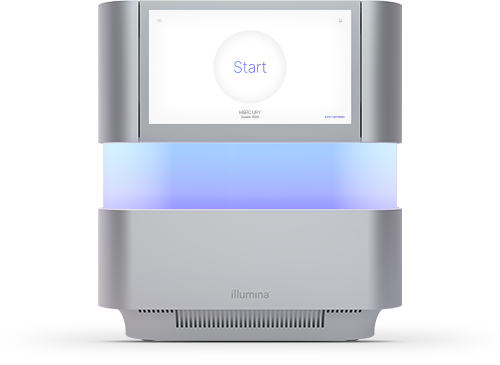
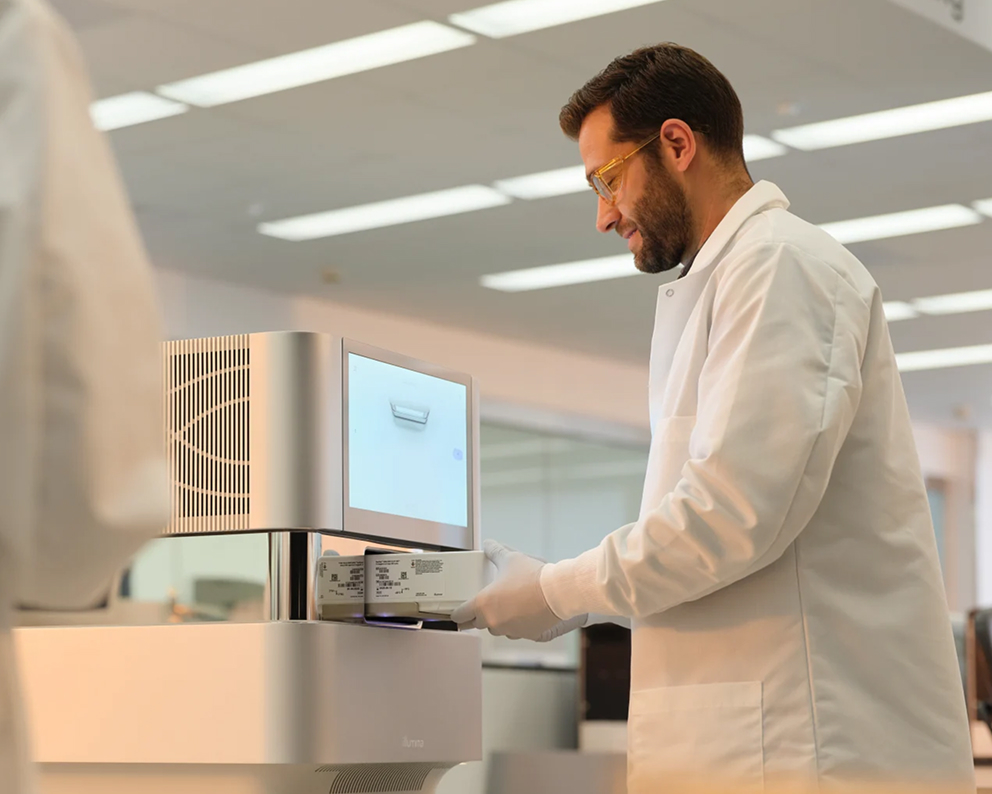
Profile view of male scientist standing in front of NextSeq 1000/2000 displaying load cartridge screen and inserting reagent cartridge. Blurry female scientist in the foreground.

Advantages of total RNA sequencing

Total RNA-Seq analyzes both coding and multiple forms of noncoding RNA for a comprehensive view of the transcriptome.

Captures both known and novel features; does not require predesigned probes

Allows researchers to identify biomarkers across coding and noncoding RNA transcripts

Enables a comprehensive understanding of phenotypes of interest

Allows profiling of the whole transcriptome across a wide dynamic range

Total RNA sequencing workflow

Illumina offers a whole-transcriptome sequencing workflow that simplifies the entire process, from library preparation to data analysis and biological interpretation.

RNA sequencing methods guide cover. Close up image of a female scientist pipetting clear liquid into tube; NextSeq 1000/2000 reagent cartridge and sample plate on the lab bench.

RNA sequencing methods guide

This guide provides solutions for profiling RNA, from targeted panels to the whole transcriptome. Illumina RNA-Seq workflows integrate library prep, sequencing, and data analysis to support transcriptome research.

Library prep for RNA-Seq

Our enhanced RNA-Seq library prep portfolio includes removal of abundant rRNA, so you can focus on high-value portions of the transcriptome.

Female scientist holding a single pipette in one hand and a tube in the other.

RNA-Seq articles

Featured products

Related solutions

Cancer research: gene expression studies

Monitoring gene expression changes in both coding and noncoding RNA biomarkers with total RNA-Seq can help researchers understand which variants affect tumor classification and progression.

Agrigenomics: deep transcriptome sequencing

Plants have large, repetitive genomes, which can make it difficult to sequence weakly expressed genes. Ultradeep RNA sequencing can facilitate analysis of these genes.

Complex disease biomarker identification

Total RNA-Seq allows complex disease researchers to study coding and multiple forms of noncoding RNA in a single analysis, providing visibility to a broad range of potential disease-associated biomarkers.

Spatial transcriptomics

Spatially resolve transcriptional activity in complex tissue architectures using RNA-Seq.

Additional resources

RNA-Seq data analysis

User-friendly software tools simplify RNA-Seq data analysis for biologists, regardless of bioinformatics experience.

Paired-end RNA-Seq

All Illumina sequencing systems are capable of paired-end sequencing, which facilitates detection of novel RNA transcripts, gene fusions, and more.

Single-cell RNA sequencing

Study cellular differences often masked by bulk sampling and explore highly sensitive single-cell sequencing methods.

Speak to a specialist

Talk to an expert to learn more about total RNA-Seq solutions.