Human Microbiome Analysis with NGS
Introduction to Human Microbiome Analysis
Human microbiome analysis is the study of microbial communities found in and on the human body. The goal of human microbiome profiling studies is to understand the role of microbes in health and disease. Next-generation sequencing (NGS) has fueled studies capable of surveying the genomes of entire microbial communities, including those of unculturable organisms.
Previously, studying human microbiome samples relied on time- and labor-intensive microbiology techniques of growing and isolating individual organisms followed by phenotypic or genotypic analysis. Microbial community profiling within a single sample was not possible with these older methods.
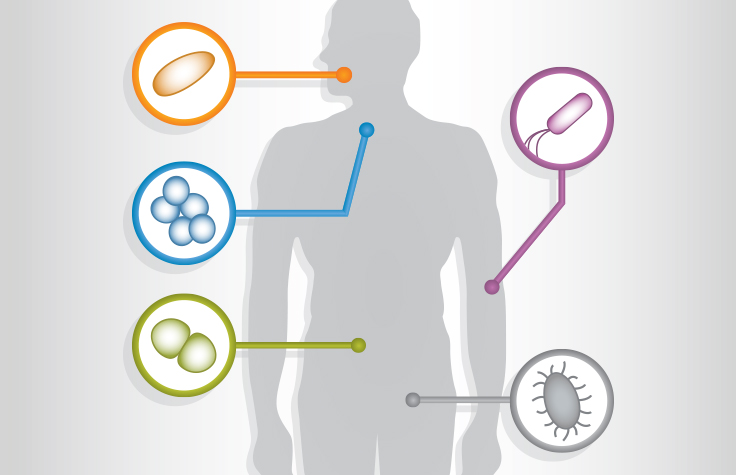
NGS for Studying the Human Microbiome
The advent of next-generation sequencing enabled several high-profile collaborative projects such as the Human Microbiome Project1, which has published a wide range of data on the human microbiome using NGS as a foundational tool.
NGS methods allow scientists to perform culture-free identification and classification of complex microbial communities. These methods can also accelerate discovery of novel species in microbiome samples and facilitate detection of virulence and antimicrobial resistance genes.
Experimental NGS methods for analyzing the human microbiome include:
Shotgun metagenomic sequencing
- A DNA sequencing method that enables comprehensive sampling of all genes in all organisms in a given complex microbial sample.
16S rRNA sequencing
- A 16S ribosomal RNA gene sequencing method used to identify and compare bacteria present within a given sample.
Microbial metatranscriptomics
- Analysis of all RNAs encoded by a group of microorganisms in a complex sample. This method enables researchers to quantify gene expression changes, study host-pathogen immune interactions, track disease progression, and more.

NGS Workflow Finder
Take the guesswork out of your next workflow. The NGS Workflow Finder provides personalized solution recommendations and resources so you can sequence with confidence.
Find your NGS workflow todayTopics in Microbiome Analysis
Gene-Level Metagenomics for Microbiome Research

Learn about a gene-level bioinformatics approach for identifying disease-associated microbial species and strains from metagenomic sequencing data sets. Samuel Minot, PhD also demonstrates an interactive microbiome discovery portal.
Access WebinarMicrobiome Sequencing in High-host and
Low-biomass Samples

This webinar discusses emerging NGS methods, with a focus on their relevance for microbial community analysis. Dr. Stefan J. Green addresses practical approaches to high host and low microbial biomass issues.
Access WebinarThe Future of Microbiome Research, AI, and Biotherapeutics
Dr Jon Chun, Chief Executive Officer at CJ Bioscience, discusses how NGS and AI are creating opportunities for future microbiome therapeutics development. He explains how AI can help streamline the microbiome data analysis process and pinpoint key insights.
Read Spotlight
Scientists Discuss NGS-Based Microbiome Studies
The Time is Now for Microbiome Studies
NGS-based whole-genome shotgun sequencing and transcriptomics methods provide researchers and pharmaceutical companies with data to refine drug discovery and development.
Read Article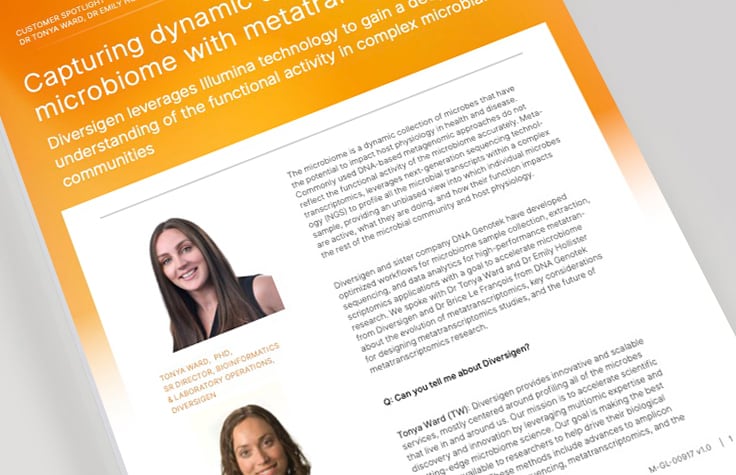
Unbiased Microbial Profiling with Metatranscriptomics
See how Drs. Tonya Ward, Emily Hollister, and Le François of Diversigen and DNA Genotek developed workflows for metatranscriptomic studies. Read their views about this research area’s potentially impactful future.
Read Spotlight
NGS is Revealing the Mysterious World of Microbes
Researchers at Microba are investigating the genomes of microbes to improve our understanding of human health, disease, and microbial evolution.
Read ArticleUnderstanding your Microbiome with Dr. Rob Knight
Learn how human microbes, the community of tiny single-cell organisms living inside our bodies, have a huge—and largely unexplored—impact on our health.
View Video

Explore the NextSeq 1000 and 2000 Systems
The NextSeq 1000 and NextSeq 2000 Sequencing Systems empower sequencing for a broad range of applications, from metagenomics to target enrichment, single-cell profiling, transcriptome sequencing, and more. The systems offer dry instrumentation, simple workflows, easy run setup, and fast secondary analysis with DRAGEN software onboard.
View SystemsA Guide to Diet-Microbiome Study Design
Learn how to design microbiome studies that maximize power and chances of success within a given research budget, and better understand how personalized diet-microbiome interactions could be affecting outcomes of your studies.
View Webinar
Related Human Microbiome Research
Microbiome and Cancer Immunotherapy Studies
Microbial communities can influence host immune response, affecting cancer progression and treatment efficacy. As NGS-based research continues to explore host–microbiome interactions, there is hope that information about the human microbiome might inform immunotherapeutic strategies.
Explore Immunotherapy Research
How Microbiome Multiomics Can Bolster Human Health
Sequencing technologies are enabling a deeper analysis of the gut microbiome. Researchers can now explore what our microbial inhabitants are doing and how they contribute to, or protect from, disease.
Read ArticleInterested in receiving newsletters, case studies, and information on microbial genomics? Enter your email address.
Additional Resources

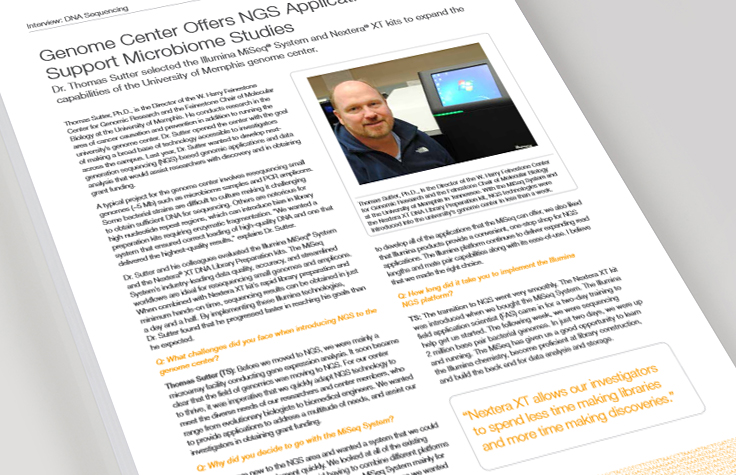
Microbial Sequencing for Microbiome Studies
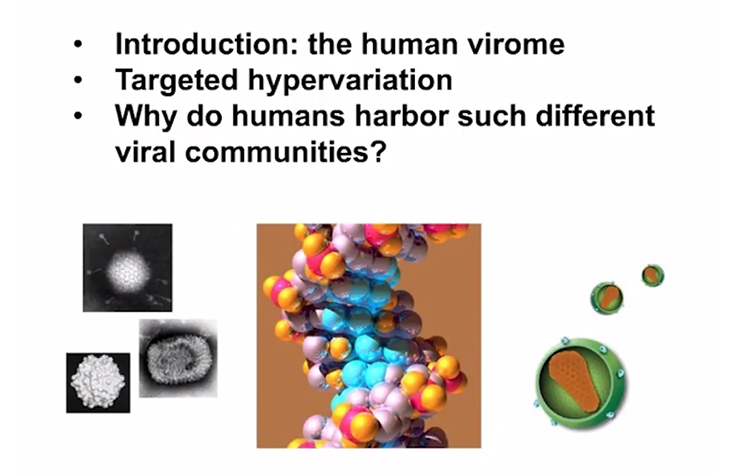
See how Illumina NGS is being used to sequence complex microbial populations.
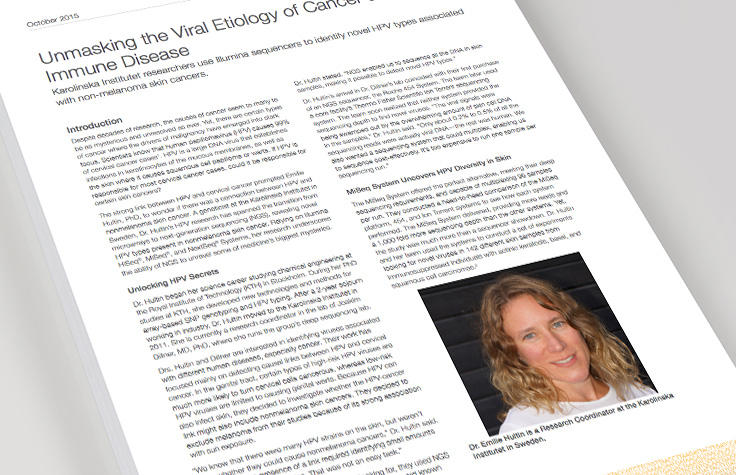
Metagenomics for Virus Discovery on Skin
Illumina sequencers offer deep coverage to identify novel HPV types correlated with non-melanoma skin cancers.
References
- The Human Microbiome Project Consortium (2012): A framework for human microbiome research. Nature 48: 215–221.
- Qin J, Li Y, Cai Z, Li S, Zhu J et al. (2012) A metagenome-wide association of gut microbiota in type 2 diabetes. Nature 490:55–60.
- Maurice CF, Haiser HJ, Turnbaugh PJ. (2013) Xenobiotics shape the physiology and gene expression of the active human gut microbiome. Cell 152:39–50.
- Karlsson FH, Tremaroli V, Nookaew I, Bergstrӧm G, Behre CJ, et al. (2013) Gut metagenome in European women with normal, impaired and diabetic glucose control. Nature 498:99–103.
- Penders J, Stobberingh EE, Savelkoul PH, Wolffs PE. (2013) The human microbiome as a reservoir of antimicrobial resistance. Front Microbiol 4:87.